
Reviewed · ELEPHANT SANCTUARY VISITS
Krabi: Highlights Tour with Krabi Elephant Shelter
The best part of this Krabi outing is simple: you meet elephants at ground level, not from a saddle. You help prepare their food, feed them, splash through a mud bath, then wash them in water. I like the no-riding format and the chance to learn each elephant’s name and background. I also like that professional photos are included, so you can put your phone down for a few minutes.
This is a short, wet, hands-on visit rather than a full-day sanctuary program. That is useful if you want a focused activity, but two hours can feel brief if you hope for a long lesson about elephant care. Bring old swimwear, a towel, and water shoes, because the fun gets muddy fast.
In This Review
- Key points at a glance
- Meeting elephants without a saddle
- A two-hour route from treats to clean water
- Arrival, briefing, and a first look
- Preparing food, then feeding the elephants
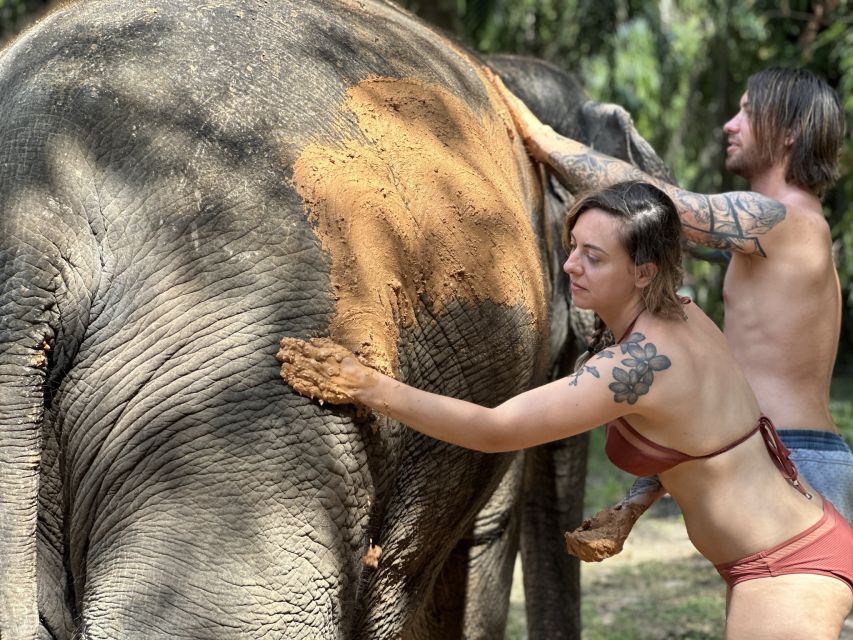
- The mud bath: the messy centerpiece
- Washing in a jungle river
- A final shower and time to dry off
- What the $54 price really covers
- Guides, mahouts, and the human side
- Who should book, and who should think twice
- Practical packing advice for a wet afternoon
- Should you book the Krabi Elephant Shelter?
- FAQ
- How long does the Krabi Elephant Shelter activity last?
- What activities do you do with the elephants?
- Is hotel pickup included?
- Which languages are available?
- Are photos included?
- What should I bring?
- Is the activity suitable for everyone?
Key points at a glance
- Feed the elephants and make treats: Take on the role of an elephant chef before the bathing activities begin.
- No riding or elephant performances: The shelter’s activities center on feeding, mud, and bathing.
- Three kinds of washing: You may get involved with mud bathing, a natural river bath, and a shower wash.
- Photos come with the price: Staff take photos with professional cameras and can also use your phone.
- Short, useful Krabi outing: The two-hour schedule works well between beach time and other plans.
- Pickup has a strict service area: Hotel transfer is included from Ao Nang and Klong Muang Beach, with separate arrangements needed elsewhere.
Meeting elephants without a saddle
Krabi Elephant Shelter was created as a second home for elephants that had faced hard work in forestry operations and riding camps. The shelter says it does not use them for riding or labor. Instead, the activities are built around feeding and bathing, with people adjusting to the elephants’ daily needs.
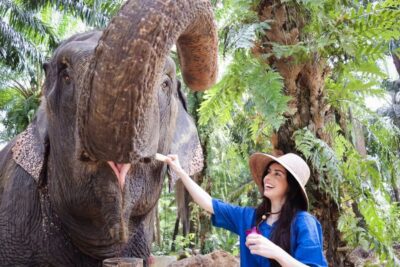
That distinction matters. You are not simply watching an elephant from behind a fence, but you are also not being offered a ride or a staged show. You stand near the animals, offer food, and take part in washing them. The elephants living at the shelter have already spent much of their lives around people, so the program is designed around direct contact with familiar human behavior.
I appreciate the chance to learn about individual personalities rather than treating every elephant as the same. A guide can explain an elephant’s name and background, while the mahouts help manage the interaction. Nui received especially warm praise for her energy and care with the animals, and other guides have been described as friendly and clear in English.
Still, you should keep your expectations sensible. This is a tourist activity involving large animals, not an untouched wildlife encounter. The schedule is organized, the contact is close, and the shelter serves many people over time. The no-riding approach is a positive feature, but you should still follow staff instructions and give the elephants room when asked.
More elephant sanctuary visits:
- Krabi: Elephant Sanctuary (near Ao Nang) Visit
★ 4.9 · 1,036 reviews - Krabi: Elephant Feeding Program with Traditional Thai Dress
★ 4.8 · 124 reviews - Krabi: Elephant Feeding Program
★ 4.8 · 102 reviews
A two-hour route from treats to clean water
The visit follows a clear pattern. You arrive, get oriented, meet the elephants, feed them, and then move into the wet part of the program. The order can vary with conditions, but the core activities remain the same.
Arrival, briefing, and a first look
Pickup is set for 9:20 in the morning or 1:20 in the afternoon at hotels in the covered areas. You are asked to wait in the lobby 10 minutes early. The driver carries a Krabi Elephant Shelter sign and waits no longer than five minutes after the scheduled pickup time, so do not wander off to find breakfast or stand outside the wrong entrance.
Ao Nang and Klong Muang Beach are included in the pickup area. Krabi Town costs extra and must be arranged directly. If you are staying on an island, at Centara Grand Beach, or near Railay, you need to meet the vehicle at a designated pier, such as Nopparat Thara, Nong Nuch, Ao Nam Mao, or Ao Nang Pier.
At the shelter, you fill in an accident insurance form using your passport number. A passport copy is accepted. Staff also provide the equipment needed for feeding and bathing, and some practical comforts, including drinking water, tea, coffee, and seasonal fruit.
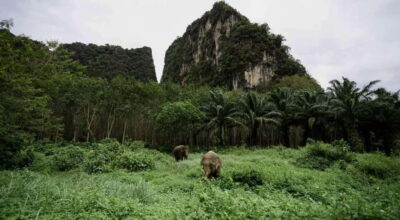
The location is surrounded by tropical scenery, and that setting helps the visit feel more grounded than a paved animal show. It also means uneven, wet ground. Water shoes are a real advantage. You can buy them at the shelter if needed, but bringing your own is safer than assuming ordinary sandals will be comfortable.
Preparing food, then feeding the elephants
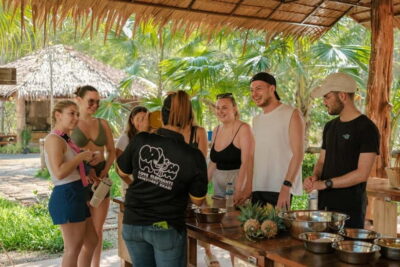
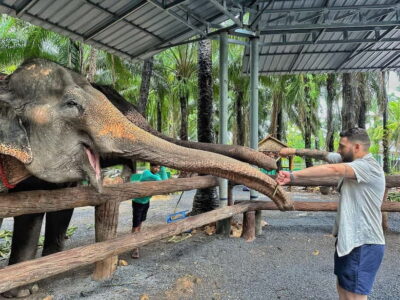
The opening activity puts you close to the elephants without starting with the mud. You help prepare treats and take on the role of an elephant chef. Feeding is a good first step because it gives you something useful to do with your hands while you learn how the animals behave.
This part is also where the guide can explain names, personalities, and past lives. Pay attention to those details. They turn the encounter from a quick photo stop into a meeting with individual animals, each with its own habits and pace.
The elephants may be eager for food, and the information provided makes clear that their daily needs include being warm, hot, and hungry. That is a reminder to follow the feeding instructions closely. Let the guide show you how to offer treats and where to stand.
Families should find this part easy to share. One parent can help a child with the food while the guide or mahout manages the closer moments. The activity is not passive, but it is not built around speed either. Some visitors have had a small group or even a private-feeling visit when few people booked that session. Group size can change, so do not count on that every day.
More trips leaving from Ao Nang:
- Krabi: Premium 4-Island Day Trip by Longtail Boat with Lunch
★ 4.5 · 4,812 reviews - Krabi: Tiger Cave, Hot Springs and Emerald Pool Jungle Tour
★ 4.2 · 2,643 reviews - Krabi: Bioluminescent Plankton, Snorkeling & Sunset Tour
★ 4.3 · 863 reviews - Krabi: 7 Islands Sunset Tour with Plankton Swim and BBQ
★ 4.0 · 808 reviews
The mud bath: the messy centerpiece
The mud bath is the part that gives the activity its playful edge. You get down and dirty, splash around, and roll in mud with the elephants. It is designed as an active experience, not a tidy photo opportunity.
Expect your swimwear and shoes to get dirty. The best clothing is old, quick-drying, and easy to change out of. Do not wear anything you plan to use for dinner afterward. Sunscreen and insect repellent are also sensible, though you should follow any staff advice about products before entering the bathing area.
The mud can make footing uncertain, which is why water shoes are specifically recommended. If you have limited mobility, this is a serious consideration. The activity is not suitable for wheelchair users, and the uneven ground can also be difficult for anyone with balance problems.
You do not need to force the action. The most enjoyable approach is to let the elephants set the pace while you follow the guide. If you dislike mud, this is the one part you may find less appealing. You can still value the shelter’s approach, but the program is built around getting wet and dirty, not simply observing from a dry platform.
Washing in a jungle river
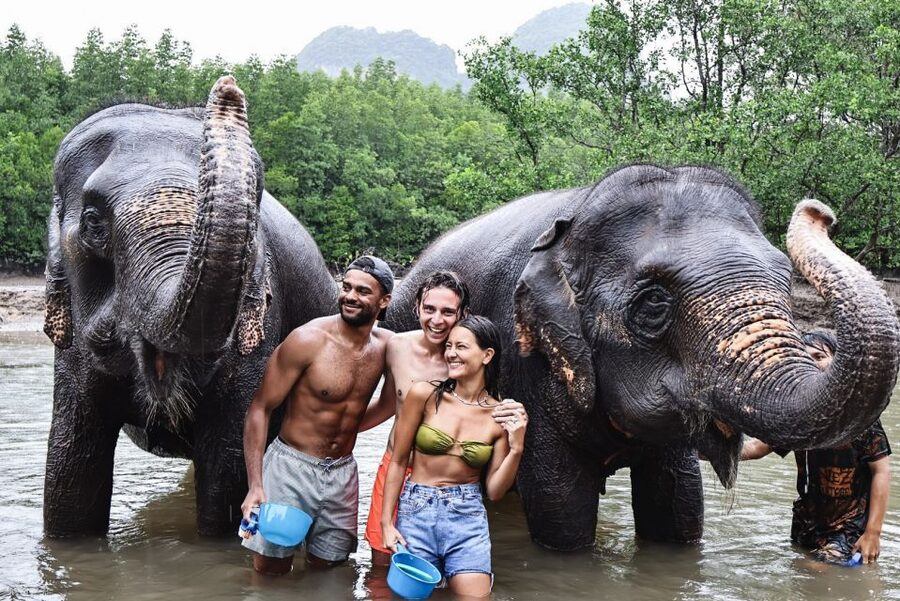
After the mud, the elephants move into water. The shelter uses a natural jungle river for bathing, which gives this part a more open, outdoor feel. You help wash the animals and share the water rather than watching the process from a distance.
The river setting is one of the more memorable details of the visit. It adds natural scenery and gives the bathing activity a sense of place. It is also the moment when water shoes matter most, since river footing can be slick or uneven.
You should bring a towel and a complete change of clothes. Towels are not included. The shelter has shower facilities, and lockers are available for belongings, but it is still wise to carry only what you need into the wet area.
The river bath will not suit everyone. People with animal allergies should not book this activity, and anyone who is pregnant or has a health condition should tell the operator before arrival. The shelter specifically asks participants to share that information.
A final shower and time to dry off
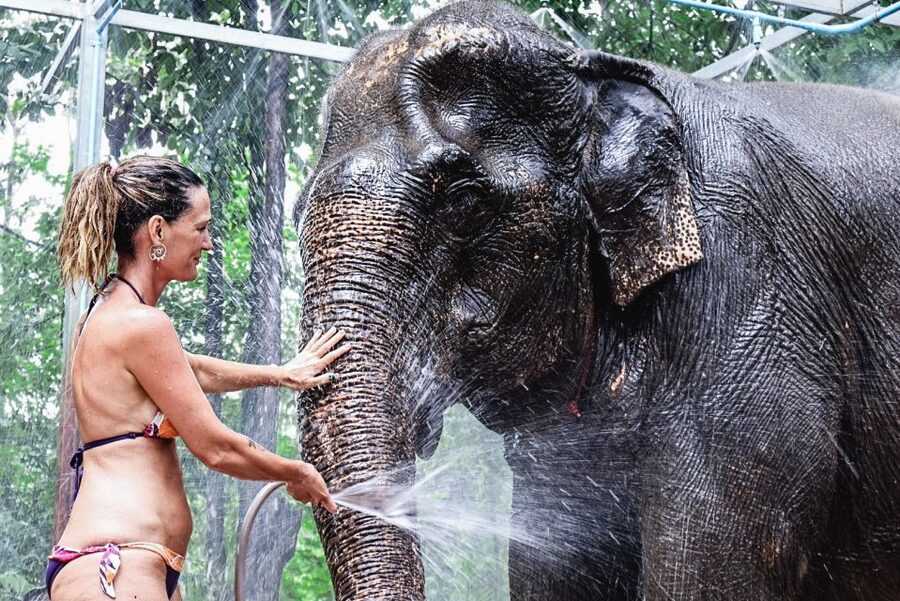
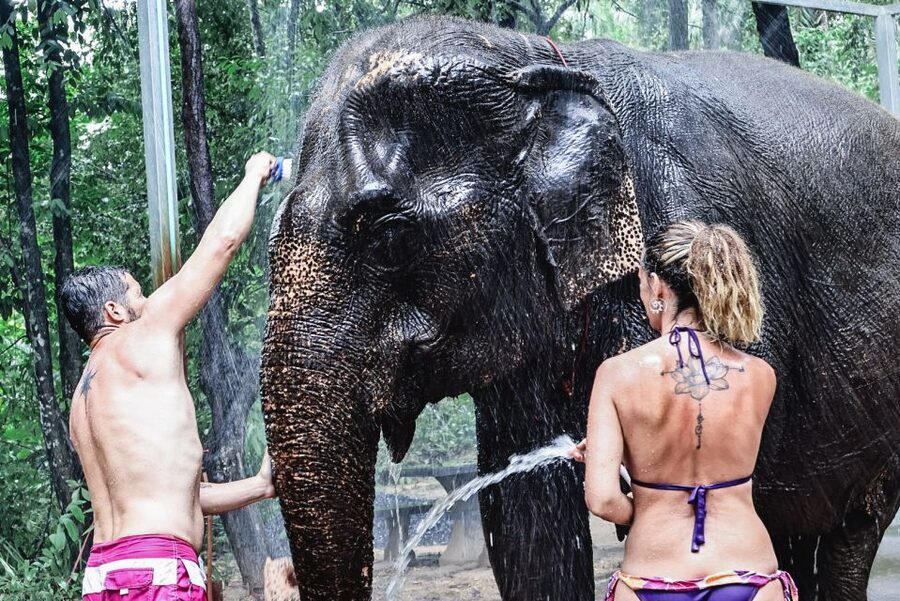
The bathing sequence can continue with a shower wash. This gives you a chance to help remove mud and rinse off after the river. For many people, it is the most practical stage because you finish cleaner and more comfortable before heading back to your hotel.
The included equipment covers the activity itself, but not your personal cleanup kit. Bring your own towel and dry clothes. The shelter provides drinking water and light refreshments, so you can cool down with coffee, tea, fruit, or another offered drink before leaving.
The time is compact. Two hours is enough for a lively introduction, feeding, and several bathing activities, but it is not a slow day spent studying elephant care. One advantage is that you can fit it into a Krabi itinerary without sacrificing a full morning or afternoon at the beach. One limitation is that the visit may feel rushed if your group is large or if weather slows the program.
What the $54 price really covers
At $54 per person, this is not just an entry ticket. The price includes hotel transfer in the stated service areas, an English or Thai guide, feeding and bathing activities, equipment, refreshments, and photos delivered through a link after the visit.
The photos improve the value. Staff use professional cameras, and they may also take pictures with your phone if you ask. Several people received clear photos soon after leaving, with one report of delivery within an hour. That lets you take part instead of spending the entire visit holding your phone above the mud.
You also avoid extra charges for basic drinks, seasonal fruit, and the photo package. Lockers and shower facilities have also been available during visits, though you should still confirm details when arranging your date.
The price is less attractive if you only want to see elephants from a distance. You are paying for a close, physical activity, transport, staff time, and the chance to participate. If you are happy to feed, wash, and get dirty, the package offers solid value for a short excursion. If you want a longer educational program or a quiet observation-only visit, another format may fit better.
Guides, mahouts, and the human side
The guide is important here because the activity depends on clear instructions. You need someone who can explain how to approach the elephants, how to feed them, and when to step back. English and Thai are available.
Nui has been singled out for her warmth and passion, while other guides and mahouts have been described as attentive with both adults and children. The mahouts are especially important because they know the elephants’ routines and personalities. Watch how they work. Their presence is not just for visitor comfort, but for the animals’ safety and welfare too.
Photos are often taken by several team members, not only one assigned photographer. That can be useful for families because you may get pictures of the whole group, not just the person holding the camera. You can also hand over your phone for extra shots, though protect it carefully around mud and water.
A good guide should make the contact feel calm rather than frantic. If the elephants are eating, moving, or losing interest, the program needs to adjust. That is one reason a short activity can still feel personal when the staff handle the pace well.
Who should book, and who should think twice
I would choose this for families, couples, and first-time visitors who want close contact without riding. Children can take part in the food preparation and bathing, although parents should be ready for muddy ground and close supervision.
It also suits you if you want a memorable Krabi activity that leaves room for other plans. The morning and afternoon departures are convenient, and the included transport removes the need to arrange a taxi from Ao Nang or Klong Muang Beach.
Think twice if you dislike mud, cannot manage slippery ground, or have an animal allergy. The activity is not wheelchair accessible. You should also tell the shelter if you are pregnant or have any health condition that could affect participation.
Most important, book it with the right idea in mind. You are not guaranteed a long, quiet session with one elephant. You are joining a structured program that includes feeding, mud, river bathing, showering, and photos in about two hours.
Practical packing advice for a wet afternoon
Pack as if you are heading to a muddy beach rather than a normal sightseeing stop. You need:
- Swimwear and a full change of clothes
- A towel
- Water shoes
- Sunscreen and insect repellent
- Cash for personal needs
- Your passport, or a copy accepted by the shelter
Old clothes are best. The mud bath can stain fabric, and you will not want to protect a favorite outfit while trying to enjoy the animals.
Bring a phone number that works in Thailand or through WhatsApp. The local partner sends pickup confirmation separately, and the operator cannot call international numbers directly. Alcohol and drugs are not allowed.
Cancellation is flexible up to 24 hours before the activity for a full refund, and you can reserve now and pay later. Those terms help if your Krabi schedule depends on weather or changing plans, but you still need to monitor the pickup message and wait in the lobby on time.
Should you book the Krabi Elephant Shelter?
I would book this if you want an active, close-up elephant experience with no riding, included hotel transport, and a useful photo package. The strongest features are the feeding, the mud and river bathing, the caring staff, and the chance to hear about individual elephants rather than seeing them only in passing.
I would skip it if you want a dry, quiet, wildlife-focused visit or if two hours feels too short for the cost. For everyone else, $54 is a fair price for a compact Krabi outing that combines animal contact, scenery, refreshments, and practical extras. Wear old clothes, bring water shoes, and let the elephants set the pace.
FAQ
How long does the Krabi Elephant Shelter activity last?
The activity lasts two hours. Morning and afternoon starting times are available, with pickup generally scheduled for 9:20 in the morning or 1:20 in the afternoon at hotels in the covered service areas.
What activities do you do with the elephants?
You help prepare treats and feed the elephants, then take part in mud bathing, river bathing, and shower washing. The activity does not include elephant riding.
Is hotel pickup included?
Hotel pickup is included from Ao Nang and Klong Muang Beach. Krabi Town requires an extra fee and personal arrangement. People staying on an island, at Centara Grand Beach, or near Railay need to meet the vehicle at a specified pier.
Which languages are available?
The tour is offered with a live guide in English or Thai.
Are photos included?
Yes. Staff take photos with professional cameras, and the photos are made available through a link after the activity. Staff may also take pictures using your phone.
What should I bring?
Bring swimwear, a change of clothes, a towel, sunscreen, insect repellent, water shoes, cash, and your passport or an accepted copy. Water shoes can also be purchased at the shelter.
Is the activity suitable for everyone?
The activity is not suitable for wheelchair users or people with animal allergies. Tell the shelter if you are pregnant or have a health condition before taking part. Alcohol and drugs are not allowed.
Just added around Ao Nang
- Krabi: The Hilltop Aonang Food & Beverage Packages★ 3.7 · 3 reviews
- Krabi: Stand Up Paddle Board Rental Ao Nang Beach★ 5.0 · 3 reviews
- Ao Nang Krabi To Phi Phi Island by Ferry★ 3.5 · 3 reviews
- Ao Nang to Koh Yao Noi by Green Planet Speed Boat★ 4.0 · 3 reviews
- Kayaking klongroot and atv adventure★ 5.0 · 3 reviews
- Koh Lanta to Phuket by Ao Nang Princess Ferry★ 3.5 · 3 reviews
- Koh Lanta to Railay Beach by Ao Nang Princess Ferry★ 4.0 · 4 reviews
- ATV adventure 1hour drive★ 5.0 · 5 reviews
Elephant Sanctuary Visits, compared.
Elephant Bathing Session at Krabi Elephant Shelter
Read the review →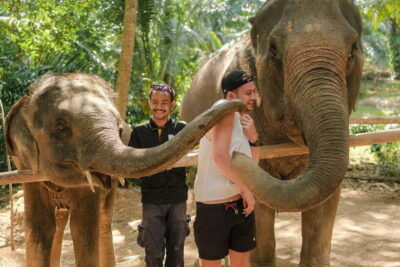
Elephant Feeding Program with Traditional Thai Dress
Read the review →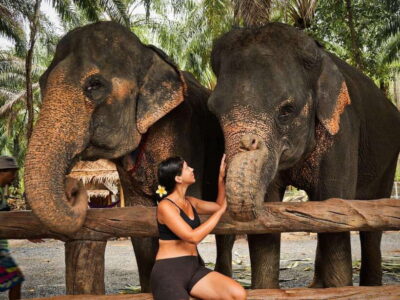
Ethical Elephant Sanctuary & Tiger Cave Temple Tour
Read the review →Browse the lists this tour appears in